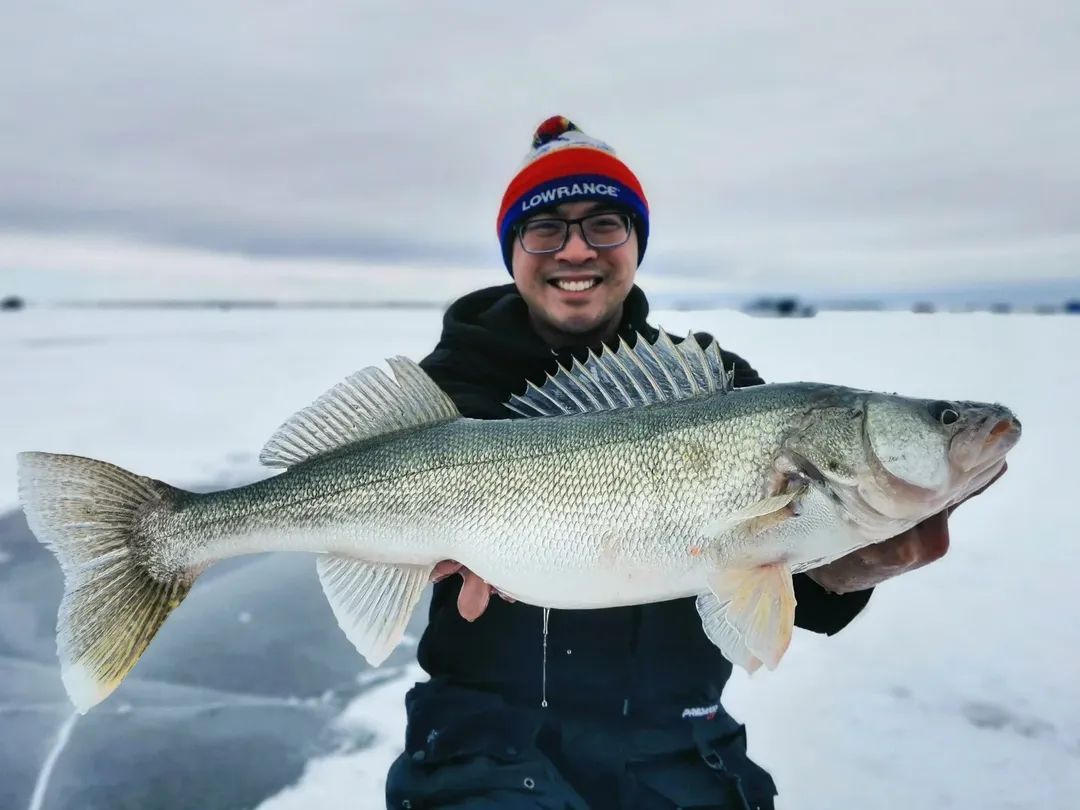
I see these kinds of videos and articles pretty often so I decided to give my shot at it. I am guilty of making some of these mistakes at one point as well so don’t feel too bad. Some of these are relatively minor and reduce catch rates but sometimes these mistakes are potentially life threatening. So here we go.
Using a Snap or Snap Swivel Incorrectly

I see this all the time with all sorts of anglers and some people are going to disagree with me here. I hate tying knots just like anyone else but some people are using them in a way that is detrimental to fishing success. I’m not completely against snaps but it has to be used appropriately. Now it’s not like it will completely hinder you from catching fish, in fact in many situations you will probably have decent results. Though there will be times where the bite is very negative and you need every bit of advantage you can get to make that fish bite.
Snaps are nice in the sense that you can switch lures quickly and give some lures more play. However it can make lures hang unnaturally and give additional bulk to the presentation. In ice fishing, fish tend to not be as active and tend to want smaller presentations. If you put a snap on a crappie jig for example, you’ve effectively increased the size of the presentations by something like 50%. There are those days where fish are extremely picky even with the best presentations.
So my rule overall is small spoons and all jigs should be direct tie. Exception is that if the spoon doesn’t have a split ring, you should use a snap. Direct tie for jigs will ensure they hang horizontally in the water. If you’re using a larger spoon or rattlebait you could use a snap but make sure that it doesn’t make your presentation more than 10% bigger. Use the smallest snap you can get away with.

If you’re going for really big fish, I would direct tie as much as possible and if you’re using a snap, make sure it’s rated properly for the fish you target. I’ve heard stories of lunkers being lost because of snaps pulling apart, plus it’s another failure point.
Not Using Your Second Line Appropriately
Fishing with more than one line is legal is many areas so many people use one. However I sometimes see situations where other people are severely reduces their chances by not using a second line.
If you’re fishing a spot and never plan to move, you should use your second line if possible. The most classic situation I find is when fishing for crappies, I like putting a tip up for pike. Having noticed large pike on the sonars, I find that you might as well do something with your second line. It’s not like the second line in the shack is going to help a lot plus you may be cramped for real estate in a shack. By putting a line outside, you can catch different fish and potentially identify a pattern that can only be achieved by trying different depths. Staggering depths with the lines is a good way to learn new things.

Now there are times where a second line may be detrimental. If you’re fishing extremely cold weather, a second line isn’t worth it as the hole will freeze and fish might get frozen while handling them. If you plan to move a lot as you’re on trying to find fish, a single line is easier to manage.
Of course these rules aren’t absolute. Perhaps you want to focus hardcore on a species and don’t need a tip up going off in the distance. Though I will say there have been a few occasions where I was the only one setting up a tip up and then I would manage the catch of the day. There are definitely people who are missing out on opportunities though.
Making Too Much Noise on the Ice
I feel like many ice anglers are not used to this as they tend to fish deep water. With the advent of forward facing sonar, I have learned that fish are actually spooked by sounds on the ice in shallow water. Was fishing for trout in about five feet of water when my buddy walked up to me. I was working a trout when it suddenly heard the sounds of the footsteps and spooked.
Pike anglers tend to walk up to their tipups in shallow water for a reason. We’ve had false flags but then would look down the hole and still see the pike around. There is a chance that if you rush up to a hole, the pike will drop your bait while in the process of eating the large baitfish. Though sometimes you see them react by darting off really quickly with the bait. In general the safer play every time is to walk up to the hole slowly. In the vast majority of cases, those extra seconds saved by running are rarely beneficial anyways.

So when you fish shallow, be a bit more conscious of your movements and you might land a few more fish.
Not Anchoring their Shacks
Like I get it, sometimes it doesn’t seem windy and anchoring is a painful process. Just spend the five minutes at least anchoring the somewhat windy side. You never know if the wind will pick up and it’s better to do it while you’re in setup mode. That way you can avoid being filmed for social media when you are chasing your shack on an open lake.

Just anchor your shacks.
Underestimating the Conditions
When there is a massive storm coming and you want to fish a big lake with your truck, that is a recipe for disaster.
People seem to have this mentality of wanting to fish at all costs. Though if there’s a storm, it will hide tracks immediately and reduce visibility. Reduced visibility means not making your way back on big lakes and not seeing drifts and ridges properly. I’ve been in these situations before but on tracks with GPS devices. Wheeled vehicles have been known to be stranded on the lake requiring assistance from a tracked truck. If you do get stranded, which can happen to anyone, you need enough fuel and equipment to get you through the hours while you wait for rescue.

Despite all the knowledge shared on the internet, people still think that getting stranded in a storm is something that only happens to other people. Worst of all, some people interpret warnings as gatekeeping and fear-mongering. It’s been pretty prevalent this season where the advice has been to use tracked vehicles. People push back thinking that it’s elitist. There are some people who are prepared and experienced who manage just fine. Then less experienced people think they can do the same and get stuck.
Overconfidence is a potential killer and it can happen to us all at some point. People underestimate how dangerous ice fishing can be and really need to pay more respect to the sport. If the weather is bad, just stay home and save your efforts for a nice day.
Final Words
People always make mistakes and I have as well. However mistakes are how we learn. We will always make mistakes throughout life and that’s ok. Just got to figure out how to make fewer of them. Our sport is so complex that it’s bound to happen. Just keep fishing though and enjoy yourself.
![[VIDEO] Family Outing – Ice Fishing for Northern Pike](https://i0.wp.com/fishingprairieandshield.com/wp-content/uploads/2023/04/wp-1680465288027-scaled.jpg?resize=319%2C142&ssl=1 "[VIDEO] Family Outing – Ice Fishing for Northern Pike")

![[VIDEO] Multispecies Winter Camping](https://i0.wp.com/fishingprairieandshield.com/wp-content/uploads/2022/02/IMG_20220209_224928-scaled.jpg?resize=319%2C142&ssl=1 "[VIDEO] Multispecies Winter Camping")